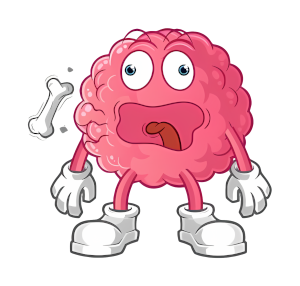
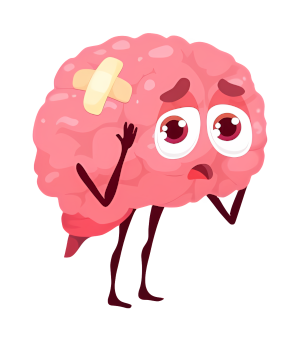
Think about the last time you had to slam on your brakes when a car in front of you suddenly stopped. Have you ever walked around a corner, only to come face to face with a ferocious dog growling at you? Maybe its 2 o’clock in the morning and a loud noise wakes you from your slumber. Or, have you ever been verbally attacked by someone unexpectedly? How did you react? Undoubtedly, your body instinctively jumped into action and sent you in one of these reactions: Fight, flight, freeze or fawn.
When a person feels threatened, their body immediately responds to imminent danger. The underlying goal of springing into fight, flight, freeze, or fawn, is to decrease, end, or evade the danger to return to a state of calm and control (Guy-Evans, 2023). This reaction to such phenomenon is described as:
- Fight: facing any perceived threat aggressively.
- Flight: running away from danger.
- Freeze: unable to move or act against a threat.
- Fawn: immediately acting to try to please to avoid any conflict.
Part of Survival
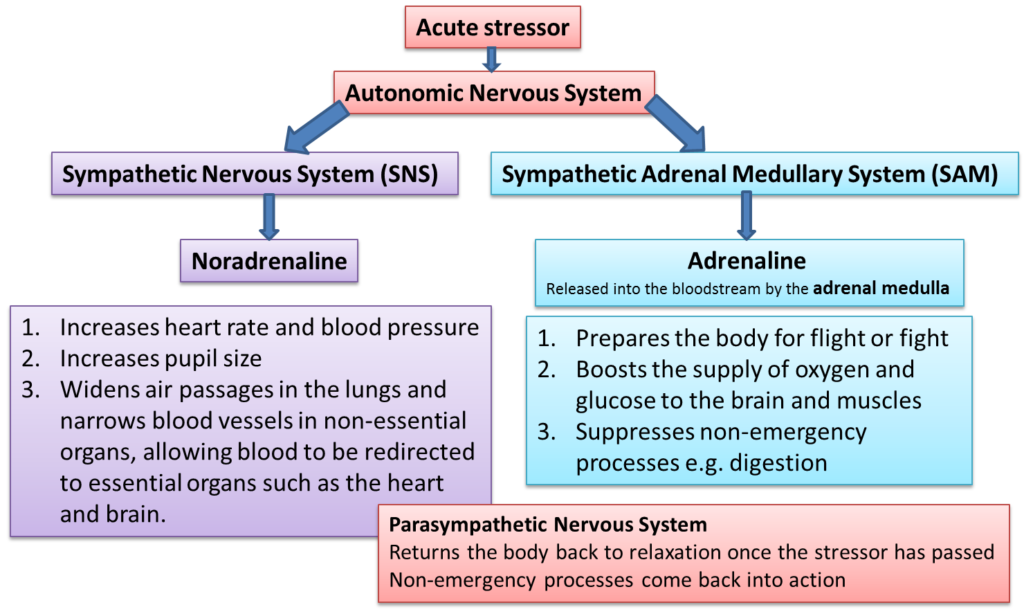
The fight or flight or freeze or fawn response has been a part of human survival since we were created. These responses play a critical role in coping with stress and threats in our environment. American physiologist Walter Cannon coined the term after noticing that an ‘unconscious and automatic series of fast-acting reactions occurred inside the body to help assemble resources the body needs to manage threatening circumstances’ (Guy-Evans, 2023). The responses are controlled by the sympathetic nervous system and engages the release of hormones, such as adrenaline, to spur us in a given direction when faced with dangers surrounding us.
Sometimes we look back at how we responded to various situations with regret. “Why did I freeze up and not speak up for myself when that person insulted me?” “Ugh! Why did I have to immediately verbally attack her, when she was simply offering me some constructive criticism?” “Why didn’t I move out of the way when that person swung at me?” “Why did I freeze up when she asked me a question–I knew the answer!” “Why do I keep doing nice things for that person, when they treat me like a doormat?” These are the kinds of questions that one might be left with depending on how their internal systems spur their responses to perceived day to day threats (both physical and psychological).
How to cope
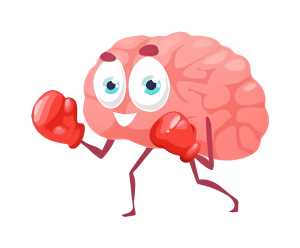
Interestingly, martial arts and other forms of physical training can help enhance our ability to respond to stressful situations. Martial arts can help individuals become more self-aware of how their bodies respond to fearful stimuli. Your practice can help you exercise more self-control, bodily awareness, focus, and the power to manage fear and stress in intense and high pressure situations. Although the fight or flight response on demand is not something that can always be consciously controlled, your martial arts practice can give you the ability to operate under pressure by priming the body for action.
So, how do you usually respond to threats in your environment? The next time you’re working on a kata or attempting to execute one of Sensei Almonte’s complicated combinations in class, take time to intentionally move through each movement with increased bodily awareness. Take a moment to truly connect with your body. Take a moment to connect with your breath. Feel your heartbeat in your chest. Can you slow it down? Can you control not only the movements that you intentionally make externally, but your internal systems as well? The more aware you are of your body, the more control you will have in those times of increased pressure when your sympathetic nervous system innately kicks in—determining whether you will fight, flight, freeze or fawn.
Thank you.
Amanda Brown
References
Guy-Evans, O. (2023, November 9). Fight, Flight, Freeze, Or Fawn: How We Respond To Threats. Retrieved from simplypsychology.org: https://www.simplypsychology.org/fight-flight-freeze-fawn.html