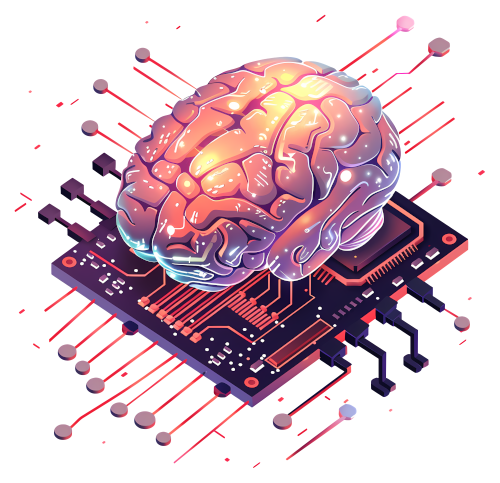
Memory. An interesting concept that few enough people really understand the mechanisms for. We like to think of memory as a data bank, a place where we store memories and experiences so that we can go back and relive them later. In some cases we have even named other things after the same phenomenon we don’t understand. A computer has RAM, readily accessible memory, and even in our technology we have tried to recreate how we believe our memories work.
However, recent studies of the very nature of how we remember things have brought to light that the most important or key factor in our memory is a little thing we call emotional attachment. Whenever we have an experience, something we are a part of or some kind of external event, we build up an emotional charge. This causes us to have powerful emotions around that event. And thus, a memory is created.
Getting married; successful sparring matches; getting a black belt. These are all emotionally charged events that we build an attachment to. When we want to remember them, we just reach into our memory bank and pull that file out to remember it…right?
Well…no. What actually happens is our brains are connect with something neuroscientists call the Imagination (more on that later). With our connection to Imagination, we build a new scenario based on the emotional attachment and connection to that event, by way of pattern building.
Pattern building is when we know, in a general sense, how an event is supposed to go. In a Black Belt test for example, we know we go through our techniques, and we know we do this, that, and another in order to showcase our skills and understanding of the material. So when our brain wants to remember that event, it concocts and builds a scene which is very similar, but missing or editing some physical details. We may remember a certain person as being there, who actually wasn’t there. We may have only seen one other person, but we know there were other people, so the Imagination conjures up faces and bodies to fill the spots we think we know of people who were there. In this way, memory is fantastic at being able to give us insight into how that event might have occurred in order to illicit the same emotion we are trying to recreate when we relive a memory.
But the truth of it is: we are actually creating these memories from scratch and we just happen to be REALLY good at that. Our brains are designed to be able to create and craft these scenes with extraordinary detail including smells, tastes, sounds, etc that trigger our brains in positive and negative ways depending on the event in question.
This is the reality of memory. Our brains recreate memory using imagination and emotion to feel what happened. While the science is still out on exactly how the brain is able to do this, we know that memory is not stored in the brain as it is in a computer.
More to come on this one.
Thank you.
Matthew Goodwyn