The following comes from my vendor Tozando. We receive regular emails from them announcing products, sales, etc. Also included are thoughts that are Martial Arts related. There is no way to provide a link to the blog, it is copied here, with the intent to give full credit to Tozando; the pictures are my own. Visit them for great products at Tozando.com
Fixing Bad Habits
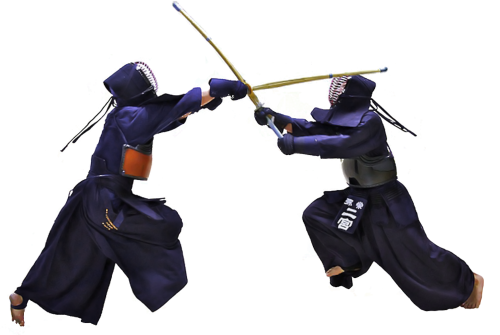
Over the years, anyone who has done kendo for any period of time will develop idiosyncrasies within their kendo. Another similar word we could use for these distinctions could be a kind of “idiolect” as we do often refer to kendo as a conversation between the opponent and yourself. This is in most cases a very small thing. Some may make small taps on the opponent’s shinai (I liken it to Morse code), while other tend to slide the shinai up and down against the shinai, maintaining contact. Others will frequently go over or under, and some strike the shinai frequently, breaking the center of the opponent. These are the types of variations that are fairly common. Now, this is not to say that everyone only does one of the above; quite the contrary in fact as most people will do a few or all of the above depending on the situation. But in the end, a tendency develops where one becomes your main form of communication. It is also important to note that none of the above are inherently bad habits, and are actually not the focal point here. They are just examples to set the stage for how habits form that may be negative and remain unapparent to the whoever is doing so, and the fact that they may not be something that you are ever instructed to correct – or even when you are, they tend to remain.
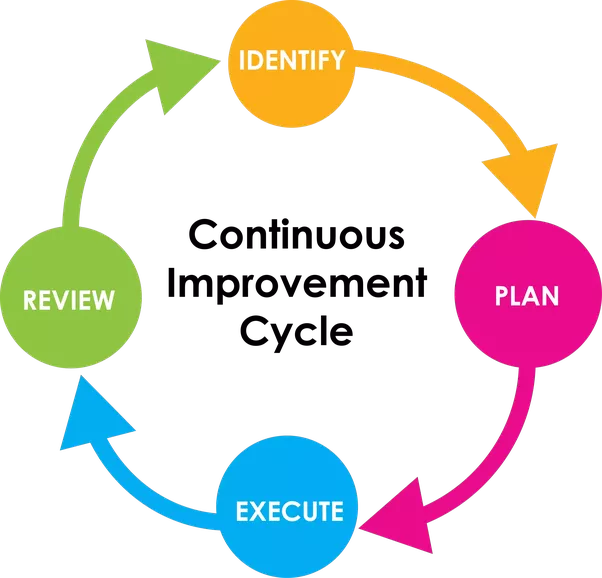
So, how do we correct actual bad habits? Well, 自己認識. Jiko ninshiki – Self-awareness is the key. As with most things, correcting habits that we don’t like or that hinder us will go through stages. The first of which is accepting that we have a problem. The second is actively recognizing it occurring and correcting it with intention. This may take time, sometimes years. However the key is to make the correction so second nature that the actual habit is accounted for subconsciously. The habit will then no longer exist.
A difficult issue that arises during this correction phase is that we are at times vulnerable. When correcting an issue, you are far more likely to be struck by the opponent due to your consciousness being parsed between the opponent and the habit. If you are thinking about your front foot facing too far in while you’re in front of your opponent (an actual concurrent habit of yours truly) you can’t really do “your” kendo. This may lead us to double back and end up reverting to the habit as usual because it feels safer or conversely makes us feel stronger; more capable. This is of course that ever present specter lurking within us called pride.
The last issue, pride, is the simplest to correct in theory, and by far the most difficult in practice. Overcoming this is, though, a much larger part of kendo than the simple advancement of a mechanical skill. It is the advancement of the person in the mechanism. In saying this it would seem that the phase in which we accept being struck in order to progress is more important than the progression. The journey outweighing the destination as it were. We often think that “being grateful for being struck” from the adage 「打って反省、打たれて感謝」refers only to us being shown a weakness in our kendo, however in this sense, it may be more a showing of gratitude for helping us to overcome ourselves – a far more debilitating bad habit to be sure.
By Tozando