
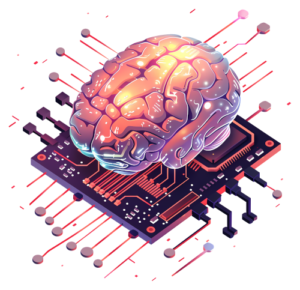
As artificial intelligence becomes more integrated into daily life, a subtle but profound shift is occurring: the average person is thinking less. Not because people have become less capable, but because the digital world increasingly rewards passivity. Convenience has become the new currency, and in the name of efficiency, we are outsourcing more and more of our cognitive labor to machines. This may feel harmless, even helpful, but it creates a society that is easier to influence, easier to distract, and ultimately easier to control.
Nature is Efficient
Nature tends toward efficiency. If a task can be done with less effort, the brain will happily comply. AI exploits this tendency. What appears to be a time‑saving tool can, if used uncritically, dull the very faculties that make us independent thinkers. Instead of learning to “fish,” we are being handed pre‑packaged answers, curated feeds, and algorithmically optimized opinions. A population that no longer practices discernment becomes vulnerable to manipulation — a dynamic eerily reminiscent of the worlds imagined by Orwell in 1984 or Bradbury in Fahrenheit 451. In those societies, control was maintained not only through surveillance or censorship, but through the gradual erosion of curiosity and critical thought.

Ignorance is comfortable
This erosion is compounded by the psychological comfort of not knowing. Awareness demands energy. To fully grasp the complexity of global issues, climate change, political instability, economic inequality, requires mental resources the brain is often reluctant to expend. As a result, many people choose purposeful ignorance. It is easier to accept simplified narratives than to confront uncomfortable truths. As Schopenhauer observed, the less one knows, the more confidently one can assert their beliefs. In the digital age, this principle is amplified: misinformation spreads precisely because it is simple, emotional, and easy to digest.
Meanwhile, platforms designed to promote digital literacy and responsible behavior often struggle against the sheer volume of content engineered to provoke reaction rather than reflection. Algorithms prioritize engagement, not accuracy. Outrage, fear, and sensationalism rise to the top because they keep users clicking. The result is an environment where emotional responses overshadow rational analysis, and where the loudest voices drown out the most thoughtful ones.
We want Safe and Easy

Content moderation systems, community guidelines, and digital citizenship lessons are important steps toward addressing these challenges, but they cannot replace the individual responsibility to think critically. Without that foundation, even well‑intentioned tools can become crutches. A society that relies on external systems to filter truth from falsehood risks losing the internal capacity to do so. And once that capacity fades, the door opens to a kind of soft authoritarianism — not enforced by a government, but by the quiet, invisible influence of algorithms shaping what we see, what we believe, and ultimately how we think.
If we want to preserve autonomy in an age of intelligent machines, digital literacy must go beyond teaching people how to stay safe online. It must cultivate the habits of mind that resist intellectual complacency: skepticism, curiosity, reflection, and the willingness to question even the most convenient answers. Otherwise, we risk becoming a society that no longer thinks for itself — a society that trades its agency for ease, and its independence for efficiency.
ZaHir Covington
Other Thoughts by ZaHir
A Journey of Research
Building Your Box
Excellence is a low bar